An oak dining table is rarely just somewhere to eat. It is where homework spreads out, where a jigsaw lives for a fortnight, where a Sunday roast drifts into late afternoon. That is exactly why styling it can feel awkward: whatever sits on the surface has to survive real life. Oak is generous, though. Its grain and warm tone hold their own against most things, provided you keep arrangements low, leave elbow room, and change only two or three elements when the season turns.
Work With the Grain First
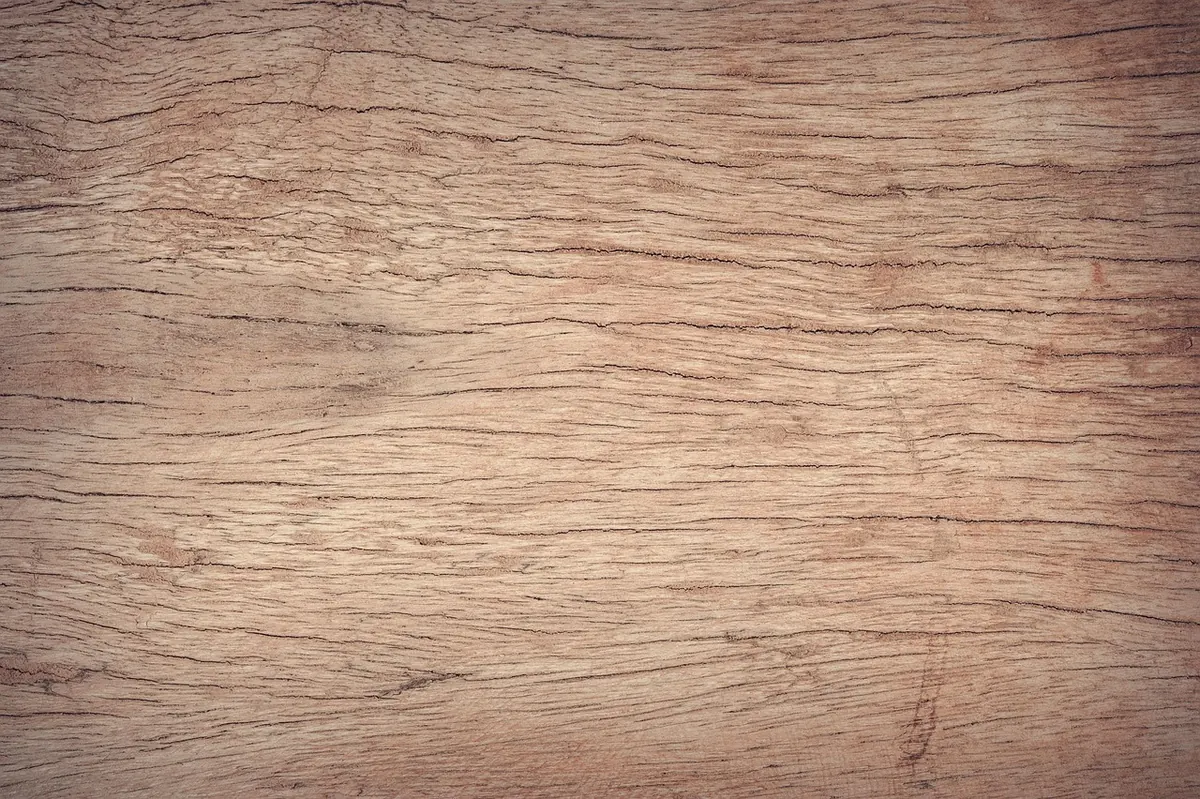
Before you buy a single candle, look at your finish. An oiled oak table has a matte, slightly open look, and it suits matte companions: washed linen, unglazed ceramics, beeswax candles, brushed metal. Lacquered oak carries a faint sheen, so it can take stronger colour and a little polish without turning brassy. Limed or whitewashed oak reads cooler, which means pale linens and grey or off-white stoneware sit more comfortably on it than heavy dark tartans.
A useful rule is three materials on the tabletop at any one time. A linen runner, a ceramic bowl and two brass candlesticks is a complete scheme. Add glass, rattan and a patterned cloth and the grain starts to disappear behind the clutter.
Keep the middle of the table visually quiet. A centrepiece taller than about 15cm blocks conversation; long and narrow works better than round and wide if you want it to stay put. Aim to leave 35–40cm clear in front of each chair for plates, glasses and a serving dish.
Protection matters as much as looks. Use mats, coasters and trivets, wipe spills immediately, and never leave a wet glass standing on oiled oak. If you are unsure what your finish will tolerate, check the maker's care notes before experimenting.
Spring: Space, Light and New Green
Strip the table back in spring. A runner of undyed linen, oatmeal or soft sage does most of the work, and on busy weeks you can skip the runner altogether and let one low bowl carry the whole arrangement.
For a centrepiece, think shallow: narcissi or muscari in a wide dish, blossom branches cut short in a low jug, or hyacinth bulbs bedded into a bowl of moss. Anything with stems over 15cm belongs on a sideboard, not between you and your guests.
Crockery in plain white or off-white stoneware with a speckled glaze feels right now. Choose one accent colour — pale yellow, soft green — and mix two glaze tones rather than two patterns. Swap the winter bulbs for something brighter, and add a small linen-shaded lamp on a sideboard so evenings do not rely on the pendant alone.
Summer: Linen, Fruit and Long Evenings
White, faded blue or fine-striped linen runners keep things cool, and seagrass or rattan mats add texture without weight. Glassware should be clear and simple; coloured glass fights the wood in strong light.
For the centre, pick one thing and pick it well. A bowl of lemons. Tomatoes still on the vine. A wooden board with peaches or apricots. Resist combining fruit with flowers — choose one or the other, or the table starts to look like a market stall.
Terracotta and hand-thrown pale blue plates suit this season, especially against a limed oak top. Watch the humidity: an iced jug sweats, so stand it on a coaster or board and dry the oak underneath afterwards rather than leaving a ring to set.
Autumn: Warmth Without Clutter
Autumn is where oak looks its best, so lean into depth rather than decoration. A brushed cotton runner in ochre, plum or rust works well, or a checked wool runner if your table is pale.
For the centrepiece, try a bowl of quinces or crab apples, a squat squash on a board with a few dried stems beside it, or three brass candlesticks at different heights. Dark speckled stoneware, olive and brown glazes and brass serving spoons all sit naturally next to oak. Keep candles unscented while food is on the table, and if you want a throw, fold it over a bench or the back of a chair rather than draping it across the tabletop.
Winter: Candlelight and Deep Colour
This is the season for a runner or cloth in heavy linen or wool — charcoal, deep green, berry — but keep the oak visible. If you use a tablecloth, choose one that finishes roughly 20–25cm below the tabletop edge so the rim and legs still show.
A low trough of greenery, a few stems of eucalyptus, a bowl of walnuts, white plates on dark chargers: simple, generous, unfussy. Candle safety is the one thing not to improvise. Never leave burning candles unattended, trim the wicks, and keep flames clear of greenery, linen and lampshade fabric. Where fabric sits close to a bulb, use an LED.
Always put hot dishes on a trivet or board. Oak will mark if you test it with a roasting tin straight from the oven.
Lighting Through the Year
The pendant does most of the mood-setting. Hang the shade so it sits roughly 70–80cm above the tabletop: low enough to feel intimate, high enough that nobody is staring into a bulb. Fit a dimmer if you can, and use warm white bulbs — cool blue light makes food look tired.
Layer from there. Candles in plain glass or brass, a wall light, a small lamp on a sideboard or windowsill. Swapping the shade is the cheapest seasonal change you can make: linen or paper for spring and summer, woven or a darker fabric for autumn and winter. Keep the same fitting and the job takes five minutes.
A Seasonal Swap in Twenty Minutes
You do not need a cupboard full of props. A small, well-chosen kit covers the whole year and stores in one box.
- Two linen runners: one neutral, one seasonal colour
- Three candle holders in mixed heights
- One low ceramic bowl and one wooden board
- Two sets of napkins, one plain and one patterned
- A stack of mats: seagrass for summer, wool or felt for winter
- One jug or small vase for short-stemmed flowers
When the season changes, clear the table, wipe it with a soft damp cloth and dry it straight away. Put the outgoing pieces back in the box, lay the new runner, place the centrepiece, add candles, then check the lighting from a seated position rather than standing. That last step catches most problems.
Finally, treat marks and scratches with care. Oiled oak usually benefits from re-oiling in line with the maker's instructions, but if a ring or stain appears and you are unsure of your finish, ask the furniture maker or a restorer before reaching for abrasives or household cleaners. A little patience protects the grain you have spent years looking at.
Photo: buffetcrush / Pixabay