Choosing between a round and a rectangular oak table usually comes down to three questions: how many people sit down on an ordinary weeknight, how much space is left behind the chairs, and what shape the room actually is. Get those right and the table will feel as though it was always meant to be there. Get them wrong and you will spend years shuffling chairs and apologising to guests. Here is how the two shapes compare in real rooms.
Seating Capacity: What Each Shape Really Offers
Rectangular tables earn their keep at the sides. As a rough guide, a 180 x 90 cm top seats six comfortably — three along each long side — with the ends left free for serving dishes. At 220 x 100 cm, eight people is realistic. The corners are the weak point: nobody wants a place setting there, so the head and foot of the table can end up as spare seats that nobody claims.
Round tables divide space differently. Each diner gets a wedge, and because there are no corners to work around, a 120 cm diameter top seats four without elbows touching, 150 cm seats six, and 180 cm seats eight. The trade-off is floor space: chairs pull out in every direction, so a round table of the same seating capacity usually needs a slightly bigger footprint than a rectangle.
- Four diners: 120 cm round, or a 120 x 80 cm rectangle
- Six diners: 150 cm round, or a 180 x 90 cm rectangle
- Eight diners: 180 cm round, or a 220 x 100 cm rectangle
- Serving space: rectangles give you flat ends for dishes; round tables keep everything within reach of everyone
Pedestal or four legs?
Round tables usually work best on a pedestal base. Four legs under a round top either sit too far in, where chairs clatter against them, or too far out, where they catch your toes. A central column with a wide foot keeps the whole perimeter clear for knees and chairs.
Room Flow and the Space Behind the Chairs
Allow 75 cm between the table edge and the nearest wall or piece of furniture so a chair can be pulled out and sat on. If people need to walk behind a seated diner, push that to 90 cm. Measure before you fall for a table.
Round tables are forgiving in tight rooms. With no corners, there is nothing to catch a hip on, and you can move around them in a curve rather than a series of right angles. They suit open-plan spaces where the table sits out in the room rather than against a wall.
Rectangular tables are the better wall-huggers. In a kitchen corner, a slim rectangle can be pushed lengthways against the wall and pulled out when needed; you lose most of that trick with a round top. Check door swings, radiators and patio doors before you decide — a chair that cannot pull back is a chair that will not be used.
The Shape of the Room Matters More Than You Think
Long, narrow rooms suit rectangles, because the table follows the line of the space and leaves a walkway down one side. Square rooms take a round table happily. Awkward rooms — a bay window, a chimney breast, a galley kitchen with a dining end — often work best with a smaller round table that sits clear of the pinch points. If your room is wider than it is long, a long rectangular table will feel as though it is blocking the way, no matter how beautiful the oak is.
Everyday Use: Breakfast, Homework and Dinner Parties
Round tables are the more sociable shape. Everyone can see everyone, bowls travel easily around the curve, and the top works well for board games, jigsaws and children's homework. For households of three or four who eat together without ceremony, a round oak table is hard to beat.
Rectangular tables are better at serving. A roast, a row of dishes, placemats that line up with the edges — all of it sits more naturally on a long top. They also double as a desk or second work surface with less wasted space in the middle.
If you need flexibility, extending is simpler on a rectangle: pull the halves apart, drop in a leaf, done. Round extenders exist, but most convert to an oval or leave a seam across the middle.
Oak Details Worth Checking Before You Buy
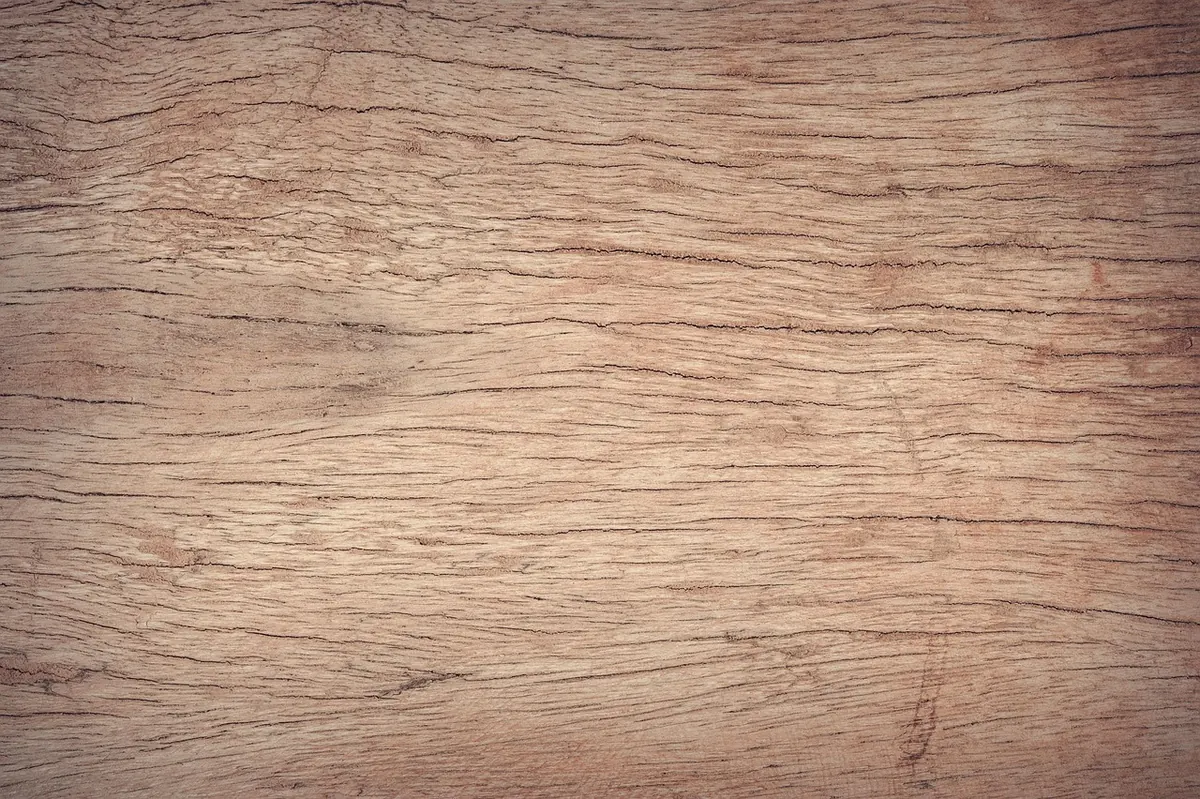
- Top construction. Solid oak tops are usually made from narrow staves glued edge to edge. On a circular top the lines all run one way, so mismatched colour is more obvious than on a rectangle. Ask to see the actual top, not a stock photo.
- Base joinery. Give a pedestal table a gentle push sideways. Any wobble now becomes a bigger wobble in two years.
- Weight and access. Solid oak is dense, and a 180 cm top is a two-person lift. Measure your tightest doorway and any turn on the stairs.
- Finish. Oiled oak can be refreshed at home with a re-oil every year or so. Lacquered tops need less attention but are harder to spot-repair.
- Legroom. Sit at the table before you commit. Aprons and chair arms are the usual culprits when knees do not fit.
Tape It Out Before You Commit
You can test a shape without buying anything. Spend twenty minutes with a tape measure and a roll of masking tape:
- Mark the table's footprint on the floor, using the exact dimensions you are considering.
- Add 75 cm all round for chair pull, and 90 cm on any side where people will walk past.
- Bring in your existing dining chairs and sit down at each position, including the corners.
- Walk the route from the kitchen to the table carrying a tray, and open every nearby door.
Then buy for the everyday rather than the annual party. If four of you eat supper together most nights and eight arrive twice a year, choose a table that seats four beautifully and copes with six at a push. Oak is a long-term purchase, and a shape that suits your ordinary evening will still suit you in ten years.
Photo: Max Vakhtbovych / Pexels